
Community Benefits
Power for Progress. Benefits for Communities.
Explore how data center development could create direct economic benefits for surrounding households while protecting local infrastructure and quality of life.
1,542
Local actions on record
807
Counties with at least one
48
States
1,344
In force today
Where it is decided
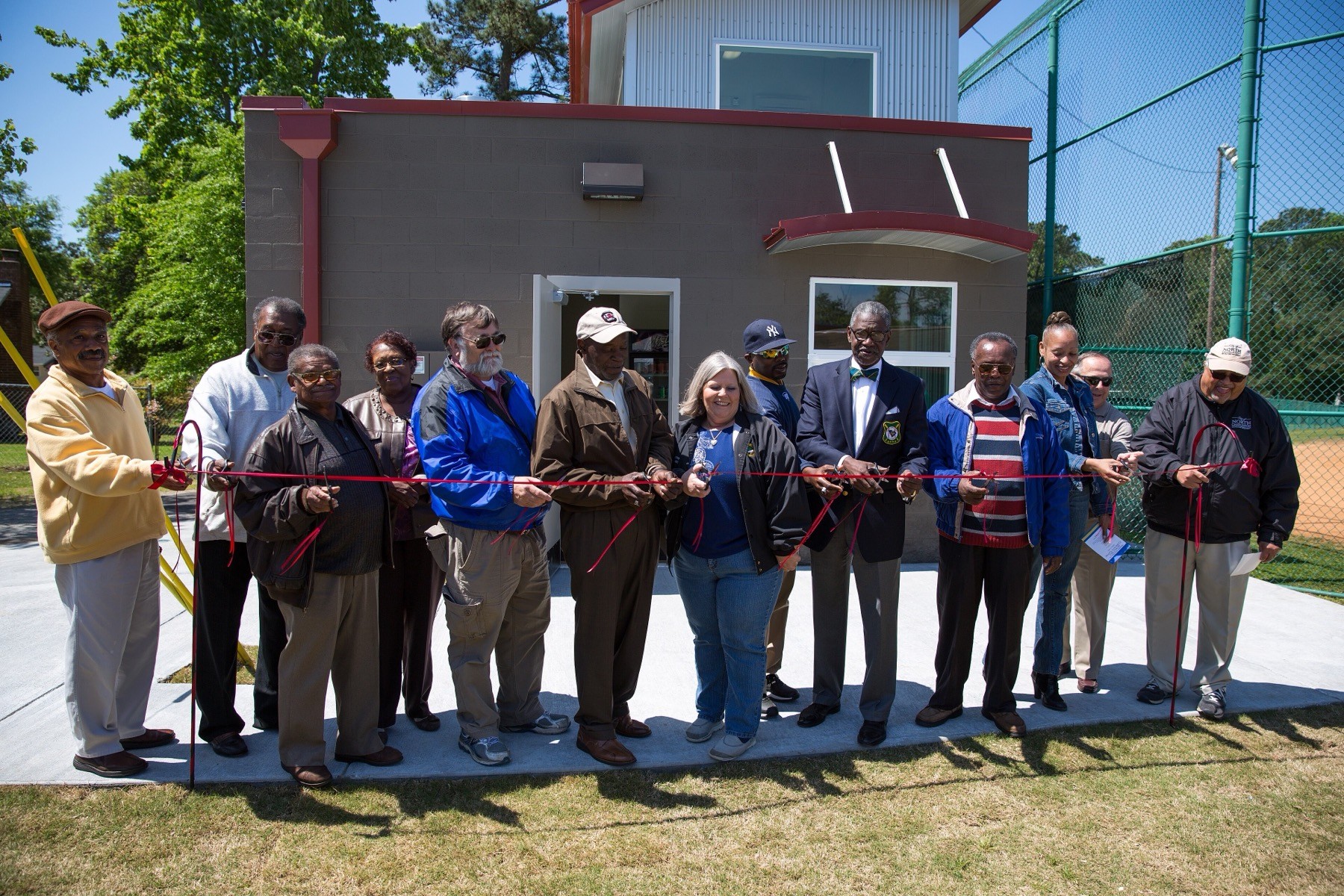
A data center is approved, paused or turned away in rooms like these.
At a county board, a city council or a township hall, by people who live a few miles from the site. Community Benefits is written for those rooms: what a project could pay the households around it, what a community could ask for, and a packet a board can read.
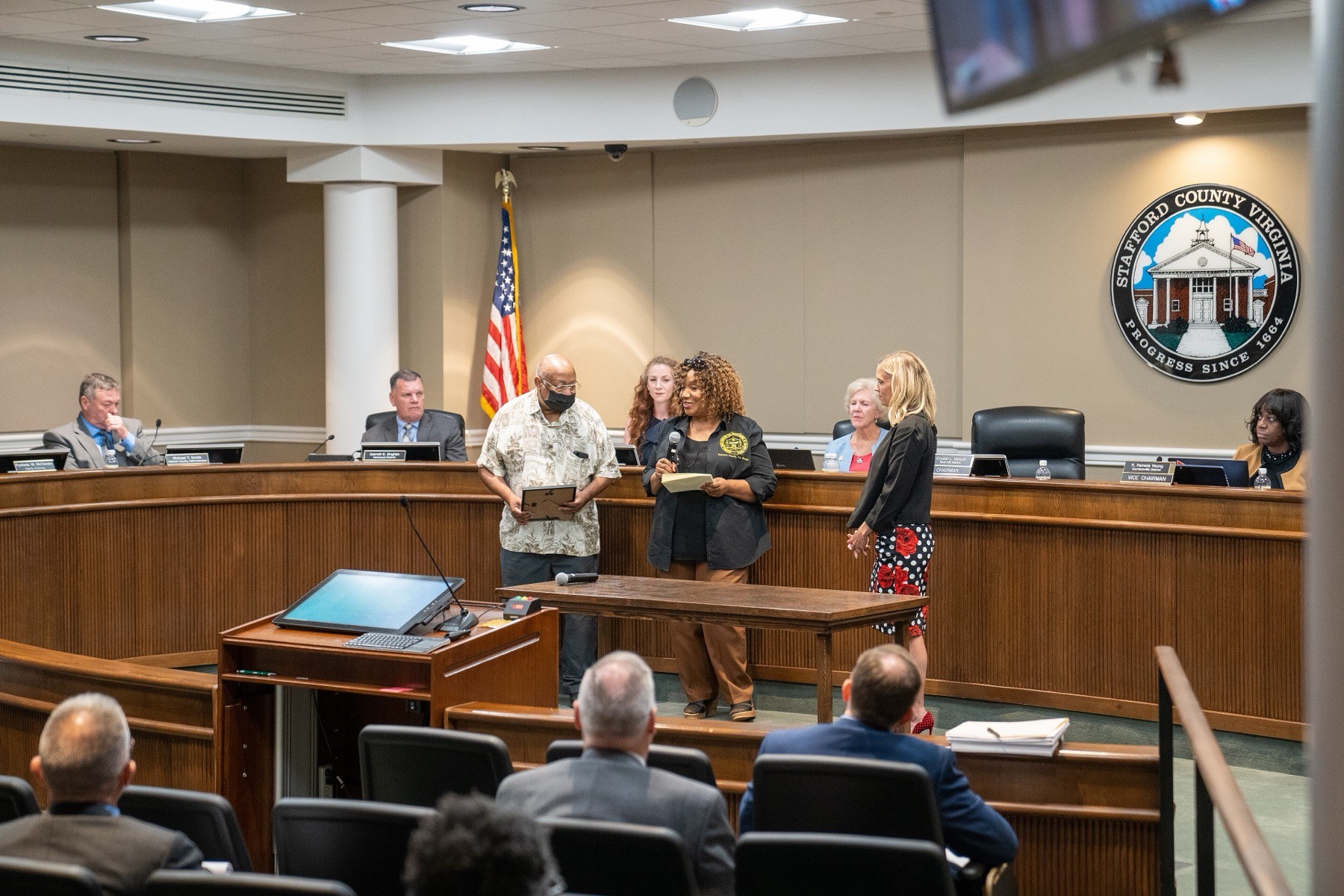
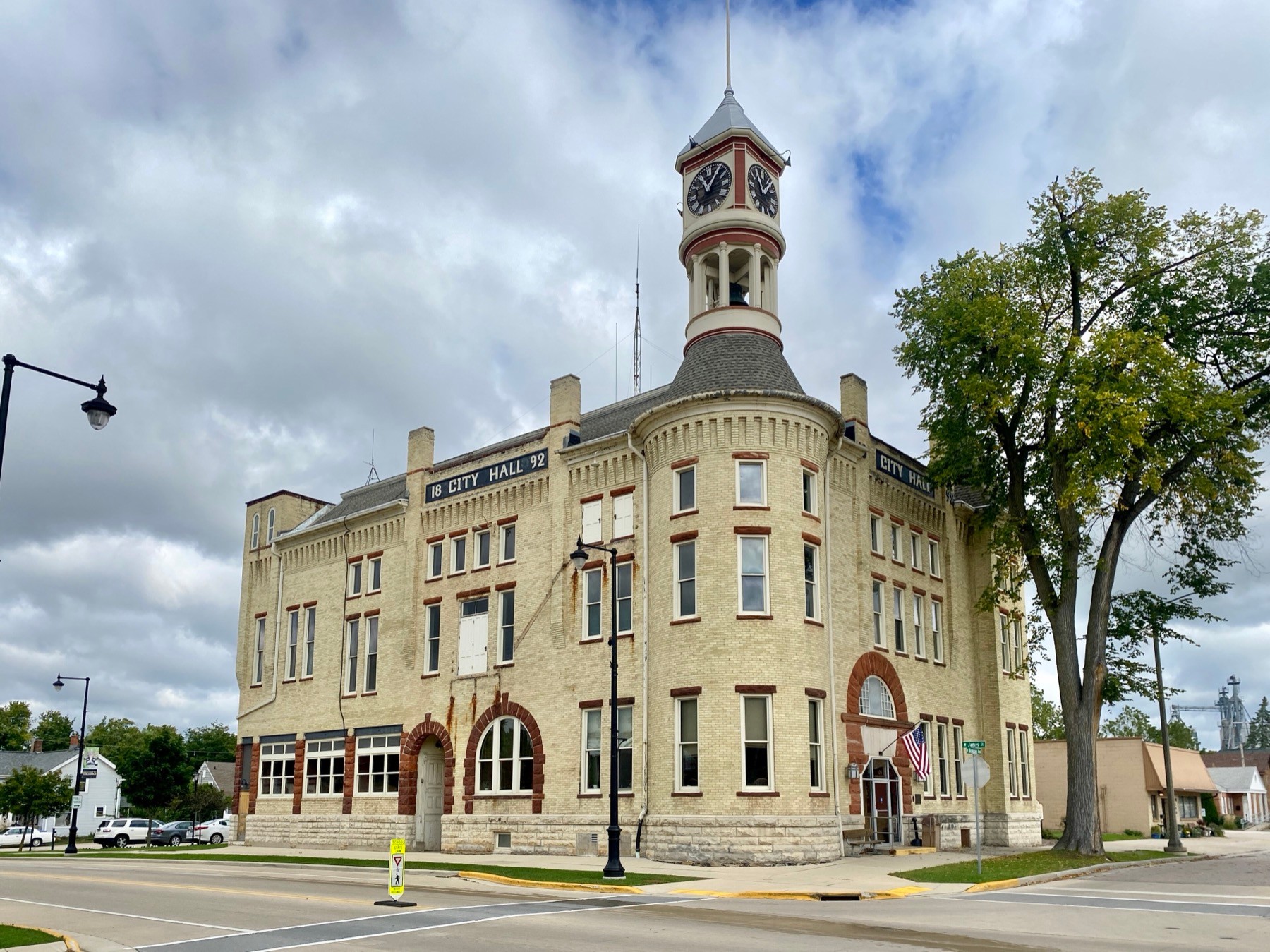
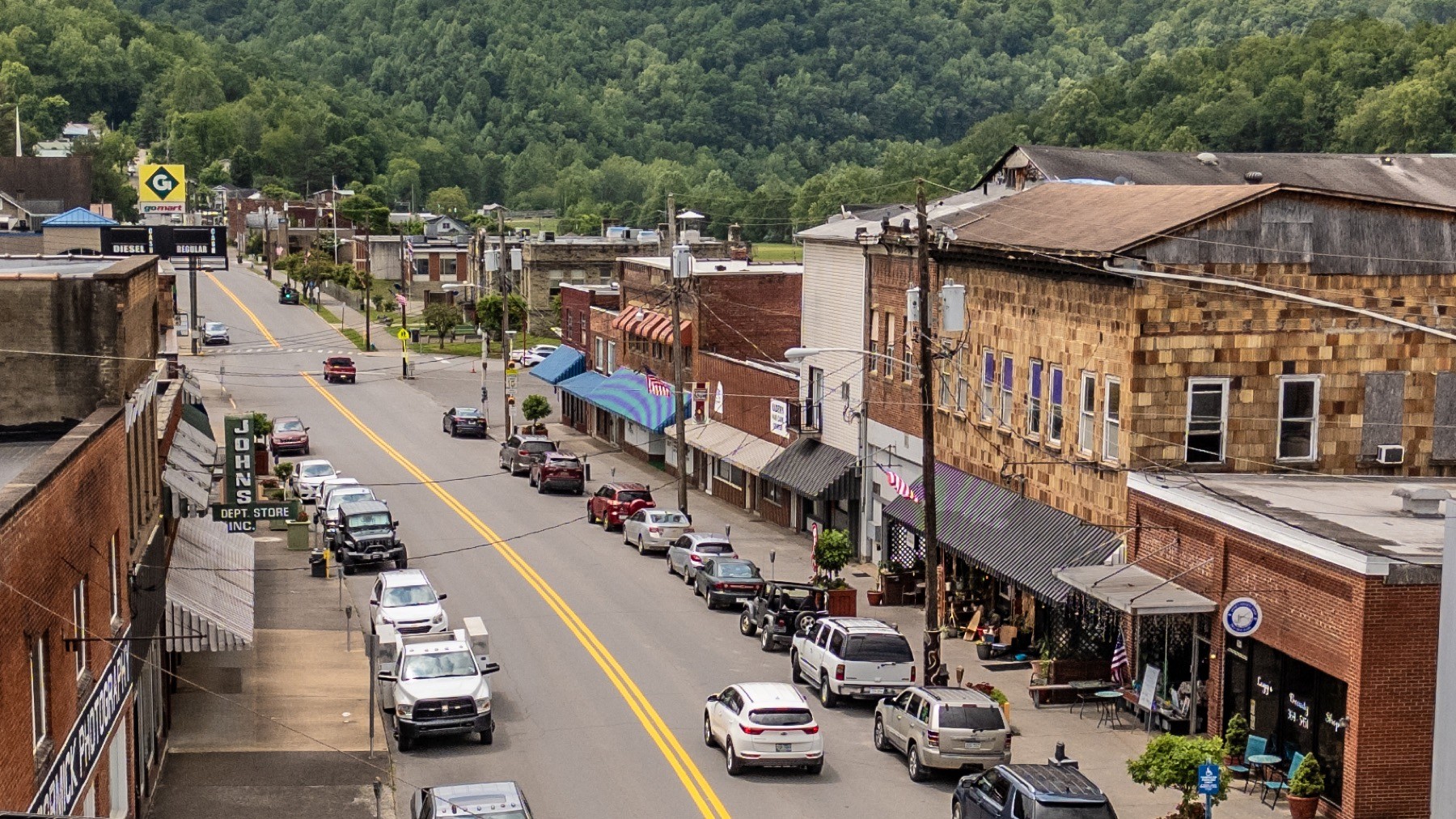
The photographs on this page show real places and public events. None of them is connected with Belisari or with a data center project.
Two halves of a site
Power is still the hardest part. Community is the least solved.
When Belisari started, power was the hardest thing about every site, and it still is: capacity a utility will deliver, on a date it will stand behind, at a price that holds. A site also needs the people around it. Community alignment has never been clean, clear or repeatable: every county starts from a blank page, often in the middle of a pause. We want to help with that, by putting what a project could pay its neighbors and what an ordinance could require in writing.
A fair share of what they produce
The systems inside a modern data center were built on the record of what people have written, measured and made. It is fair for the places that host them to share in what they produce. Done well, a data center can leave its neighbors better off: a larger tax base, direct payments, and commitments on noise, water and power that are written down and kept.
The buildings have changed
Many new designs cool with closed loops or with air, and can use far less water than older ones; one large operator's current design uses no water for cooling at all. More projects now bring their own power or pay for the grid they need, and Ohio regulators now require large new data centers in one utility's territory to pay for at least 85% of the capacity they reserve. None of this is automatic. It depends on the design, and on what a community asks for.
Sources: Microsoft, December 2024: a data center design that consumes no water for cooling; Utility Dive, July 2025: Ohio regulators approve AEP Ohio's data center tariff.
Why the pauses came so fast
Moratoria have spread quickly, and the reason is not hard to understand. Residents are asked to decide on something few have seen up close, often without clear information on what it is and what it would cost them. And nobody wants to learn later that their town gave large tax breaks to companies that did not need them. A pause to get that information is a fair choice. Our record holds 1,542 local actions on data centers in 807 counties.
A middle path
Between yes to anything and a flat no there is a third answer: set the terms in writing, and let a project come only if it meets them. A flat no gives up the chance to come out ahead. What has been missing is a clear, repeatable way to set those terms, and that is the part we want to help with.
Who it is for
County and city officials
See what a project could contribute before one is proposed, what your neighbors have asked for, and take a packet to your council or board.
Open your countyDevelopers
Model a real site: its size, its parcels and the homes around it, with commitments written against what the county has said it is worried about.
Ask for a project modelLandowners
Find out whether your land could suit a project, and what a project on it could mean for the people around you.
Tell us about your landThe model, in one line
A data center pays its host community a set amount for every megawatt, every year. Most of it goes to households; the rest goes to a fund for local improvements. Each county’s page starts from the same example and lets you change every figure.
The contribution per megawatt is Belisari's starting assumption for discussion. It is not an industry standard, and no developer has committed to it. Change it to see what another figure would mean.
100 MW
An example data center
$10,000
Per MW, each year
$1M
Each year: 80% to households, 20% to a community fund
$20M
Over 20 years
Paid by the end of each year, in the example
County, city and township scenarios
Places where data centers are restricted, paused or under discussion, each with its public record and an illustrative scenario: a whole county, or one city, village or township inside it. A place is added once its scenario has been reviewed.
The first county scenarios are being reviewed and will be listed here. To ask about a county in the meantime, write to us.
What a data center ordinance could cover
A moratorium buys time to write rules. These are the subjects those rules usually have to settle, written as questions a council, a board or a planning commission can put to itself and to an applicant.
Open the checklist: 37 items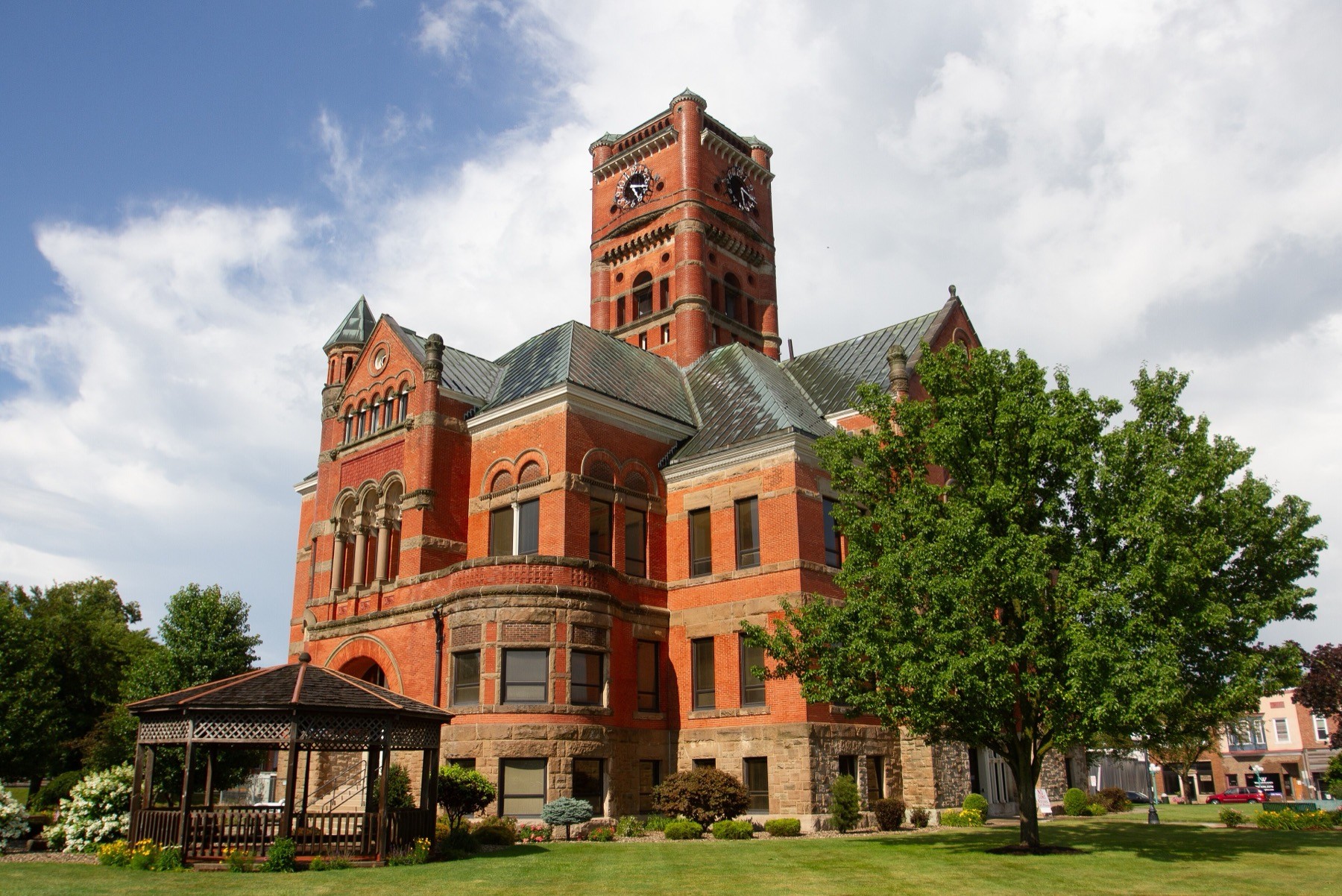
- Where it can gozoning districts, distance from homes, height and coverage and more
- Electricity and electric billswho pays for grid upgrades, a letter from the utility, the load, by phase and more
- Watersource and amount, cooling design, yearly reporting and more
- Noisea limit at the property line, a study before, a test after, if the limit is exceeded
- Air quality and backup generatorsgenerator standards, testing hours, fuel storage
- Neighbors, roads and the viewscreening, lighting, construction traffic and more
- Taxes, benefits and jobstax abatements, a community benefits agreement, local hiring and more
- An open processnotice and hearing, who the project is for, studies with the application
- Keeping the promisesa yearly report, independent checks, if a commitment is not met and more
- When it closesa plan to take it down, what counts as abandoned
How an agreement could work
The numbers mean something only if they are written down and kept. In general terms, and as no offer from anyone:
- Who could sign
- A community benefits agreement could be signed by a developer and the county or city, or by a developer and a community organization with the local government as a party. Which form fits depends on state law and on who would hold the money.
- How the money could move
- The yearly contribution could be paid into a fund held by the county, a community foundation or a trustee. The household share could go out as a yearly payment or as a credit on a utility or tax bill. The community share could be granted by a local board to projects it chooses in public.
- What could keep the payments secure
- The agreement could be recorded against the land so that a later owner takes on the same duties. A letter of credit, a bond or an escrow account could cover a set number of years of payments.
Every scenario here is illustrative. No project site, developer commitment or payment program stands behind a county’s page unless the page says so.